|
Dear Client,
As we step into 2024, tax season is in full swing, and staying informed is the key to a stress-free filing experience. This edition of our newsletter brings you essential tax tips, IRS updates, and policy changes that may impact your finances. From the latest tax relief measures to potential shifts in deduction limits, we have you covered. Read on to ensure a smooth tax filing process and stay ahead of financial trends that matter to you.
|
|
|
Top Tips for Smooth 2024 Tax Filing
At SK Financial CPA, we help taxpayers navigate the filing process with ease. Follow these six IRS-recommended steps for accurate and efficient tax filing:
Steps for a Smooth Tax Filing Process:
- Gather Important Documents: Collect Social Security numbers, bank details, W-2s, 1099s, 1098s, digital asset records, and IRS tax credit letters.
- Report All Income: Include earnings from gig work, self-employment, investments, online sales, and mobile app payments.
- File Electronically & Choose Direct Deposit: E-filing with direct deposit speeds up refunds and reduces errors.
- Use Free IRS Tax Filing Resources: Take advantage of IRS Free File, Direct File, Free File Fillable Forms, VITA/TCE programs, and MilTax for eligible taxpayers.
- Choose the Right Filing Option: File independently, use tax software, or hire a trusted tax professional like SK Financial CPA.
- Use IRS Online Tools 24/7: Check refunds, make payments, and access tax help anytime at IRS.gov
Get Your Tax Refund Faster with Direct Deposit
Direct deposit is the quickest way to receive your tax refund. The IRS lets you split your refund into up to three accounts, including checking, savings, or retirement accounts, as long as they are in your name or your spouse’s. To do this, attach Form 8888 to your Form 1040 or use tax software to allocate funds.
IRS Announces 2025 Filing Season Changes to Combat Tax Fraud
The IRS, in collaboration with the Coalition of Scam and Scheme Threats, has introduced key measures for the 2025 filing season to protect taxpayers and tax professionals from fraud. These changes include a new Fuel Tax Credit Form to prevent
scammers from misleading taxpayers into making false claims. Additionally, the IRS will increase its review of suspicious “Other Withholding” claims on Form 1040, a common target for fraud. The agency will also monitor “ghost preparers,” unregistered tax preparers who do not sign tax returns, by reaching out to affected taxpayers. To report tax scams or fraudulent preparers, taxpayers can visit IRS.gov for more details.
|
|
Tax Relief for California Wildfire Victims: Deadlines Extended to October 15, 2025
The IRS has announced tax relief for individuals and businesses in Southern California affected by wildfires and straight-line winds that began on January 7, 2025. Affected taxpayers in designated disaster areas have until October 15, 2025, to file their federal tax returns and make tax payments. This extension applies to both individuals and businesses impacted by the disaster. The latest list of eligible localities is available on the Tax Relief in Disaster Situations page.
|
|
|
Will the SALT Deduction Limit Change?
Republican lawmakers are debating changes to the state and local tax (SALT) deduction cap, currently limited to $10,000 under the 2017 tax law, which will expire after 2025. Proposals include doubling the cap to $20,000 for joint filers, increasing it to $30,000 for joint filers and $15,000 for others, or significantly raising it to $200,000 for joint filers and $100,000 for individuals. Another idea is letting the cap expire but limiting deductions to property taxes. The Alternative Minimum Tax (AMT), which previously restricted SALT deductions for high-income taxpayers, could also change as its 2017 adjustments are set to expire. Many states have created workarounds for pass-through businesses, allowing them to pay state income taxes at the business level to avoid the SALT cap. The final decision from Congress could impact many taxpayers, especially those in high-tax states.
IRS Rules on Surrogacy and Medical Deductions
The IRS ruled that most surrogacy-related expenses, including egg donation, IVF, and legal fees, are not tax-deductible since they don’t directly relate to the couple’s medical care. However, sperm donation costs are deductible as they pertain to the husband’s medical care and can be claimed on Schedule A of Form 1040.
Understanding Gain or Loss When Selling Your Home
To determine your gain or loss when selling your primary home, start with the gross proceeds from Form 1099-S and subtract selling expenses like real estate commissions. Then, reduce this amount by your adjusted tax basis. If you’ve lived in the home for at least two of the last five years, you can exclude up to $250,000 of gain ($500,000 for joint filers), but losses are not deductible. Partial exclusions may apply if you sell due to unforeseen circumstances like disasters, job relocation, or illness. For more details, refer to IRS Publication 523.
|
|
Easier Process for Handling Unclaimed Retirement Benefits
The Labor Department now allows employers to transfer unclaimed retirement benefits (up to $1,000) to state unclaimed property funds, simplifying the process for missing participants. The SECURE 2.0 Act (2022) also eases rules on 401(k) overpayments, ensuring a plan’s tax status remains unaffected if accidental overpayments are not recovered. Employers may no longer need to make corrective contributions, reducing administrative burdens. For more details, refer to IRS Notice 2024-77.
U.S. Olympians Get a Tax Break
American athletes who won medals at the Paris Summer Olympics won’t have to pay taxes on their medals and cash prizes from the U.S. Olympic Committee. These rewards are tax-free and don’t need to be reported on Form 1040 unless the athlete’s adjusted gross income (AGI) exceeds $1 million. However, this tax break does not apply to endorsement deals or sponsorship income, which are still taxable.
IRS Limits Tax-Exempt Status for Homeowner Associations & Nonprofit Hospitals Face Scrutiny
The IRS is tightening rules on tax-exempt status for homeowner associations, requiring them to serve the public, keep facilities open, and avoid private home maintenance. Recently, a gated community lost its tax-exempt status due to restricted public access. Meanwhile, nonprofit hospitals are under scrutiny from Senators Grassley and Warren for failing to provide sufficient community benefits and using aggressive debt collection tactics. They are pushing for stricter IRS guidelines on financial aid policies to ensure hospitals meet their charitable obligations.
Possible End to Hedge Fund Tax Break & Tax Prep Fee Deduction Rules
Former President Trump is proposing to eliminate the "carried interest" tax break, which allows hedge fund and private equity managers to pay lower tax rates on profits. The 2017 tax law had already tightened the rule by requiring a three-year holding period for lower rates. Meanwhile, tax preparation fees remain non-deductible on Schedule A until 2025. However, those filing Schedules C, E, or F can still deduct these costs as above-the-line business expenses, directly reducing taxable income.
Skip the Wait: Use IRS Online Tools for Faster Help
Taxpayers can save time during tax season by using IRS.gov for self-service tools instead of waiting on phone assistance. The IRS offers e-filing with direct deposit for faster refunds, free filing options like IRS Free File and VITA/TCE, and tools to track refunds, manage tax accounts, and adjust withholding. The Interactive Tax Assistant provides answers to common tax questions, and a directory helps find qualified tax preparers. To enhance security, taxpayers can protect their identity with an IP PIN.
|
|
|
How New Tariffs Could Impact Your Business and the Economy
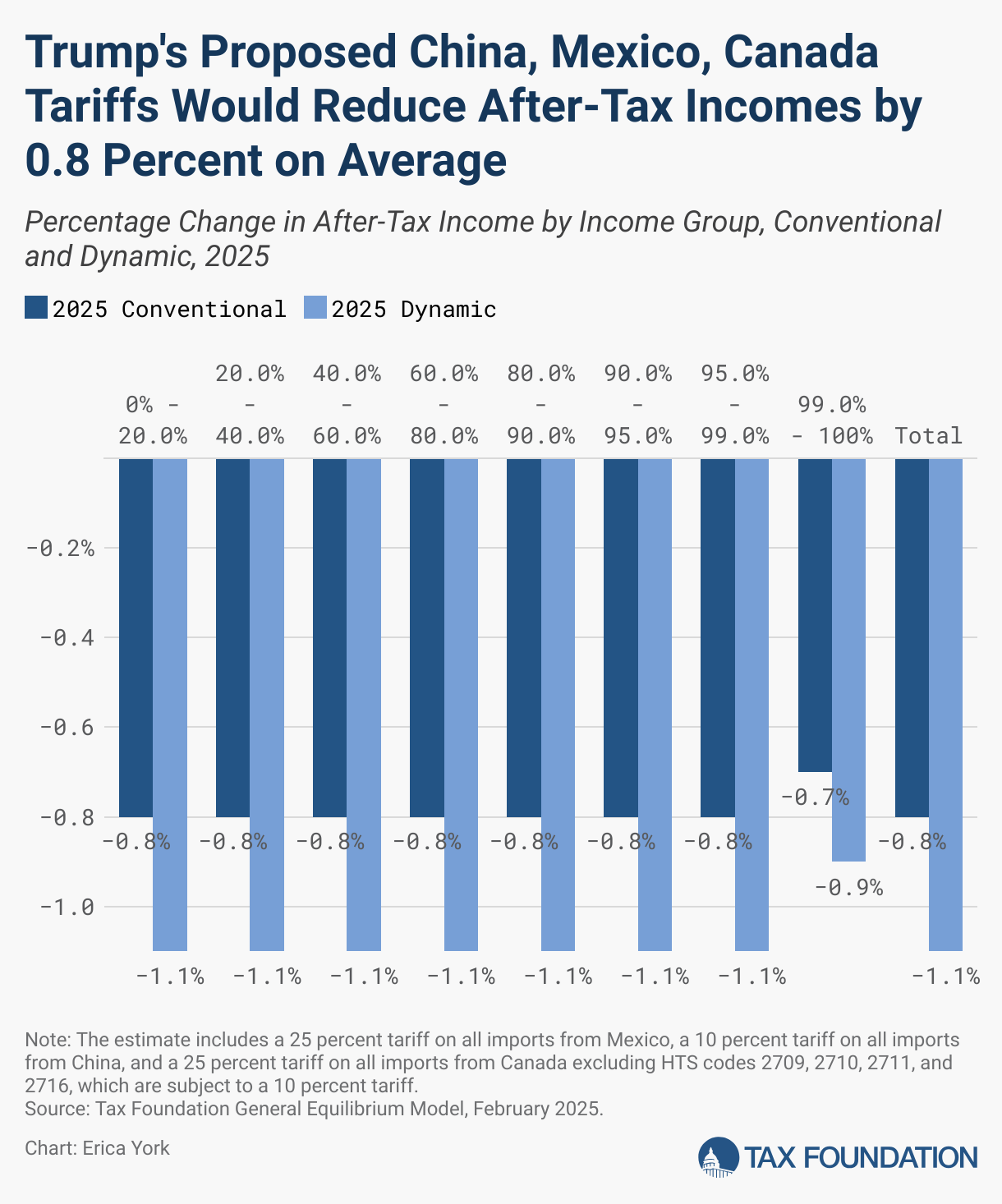
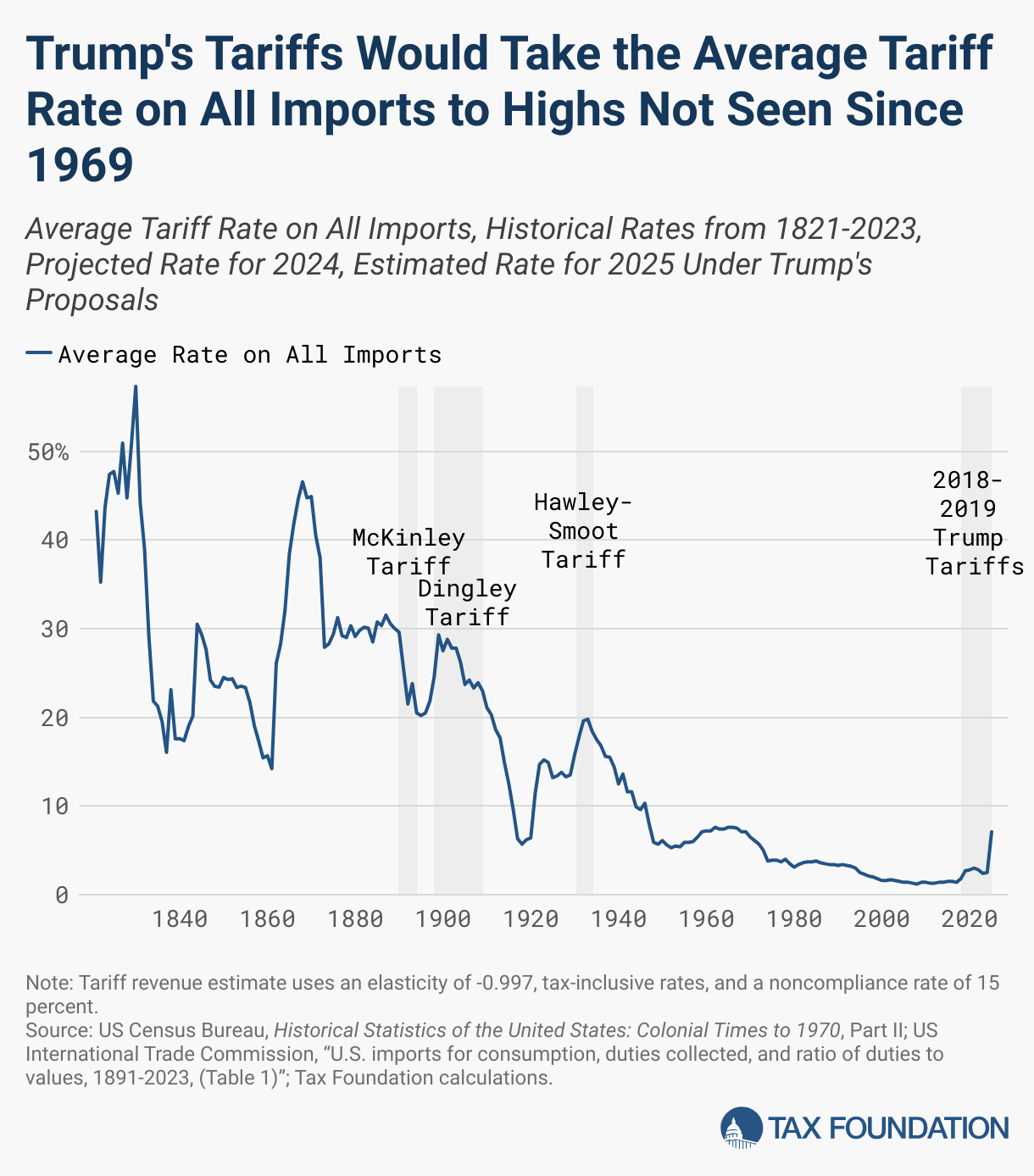
The U.S. is facing a new wave of trade tensions as President Trump enacts tariffs on key imports from China, Canada, Mexico, and other countries. These tariffs, ranging from 10% to 25%, impact products such as steel, aluminum, automobiles, semiconductors, and pharmaceuticals. Experts predict a 0.3% reduction in U.S. GDP and a potential loss of over 450,000 jobs in the long run. However, the tariffs are expected to generate $1.5 trillion in federal revenue from 2025 to 2034. In response, China has already announced $21.2 billion in retaliatory tariffs, targeting U.S. exports like coal, oil, and agricultural machinery. If additional trade barriers emerge, businesses may experience higher costs and supply chain disruptions. To prepare, business owners should review their supply chains for alternative sourcing options, monitor pricing changes to adjust profit margins, and stay informed about evolving trade policies.
|
|
|
Stay ahead of tax season with these essential updates and expert tips from SK Financial CPA. Whether you're preparing to file your 2024 taxes, staying informed on policy changes, or navigating new economic shifts, our team is here to help. If you have any questions or need personalized tax assistance, don’t hesitate to reach out. Follow us on social media for the latest tax insights, updates, and expert guidance to keep your finances on track.
|
|
|
|
|