|
Dear Client,
Welcome to the latest edition of our newsletter, where we bring you updates on significant upcoming tax changes, crucial tax filing information, and insights into potential new tax benefits. We aim to keep you well-informed and strategically prepared for the evolving financial landscape.
|
|
Tax Changes on the Horizon: What to Expect in 2026
As we approach 2026, several key provisions from the 2017 Tax Cuts and Jobs Act are set to expire, which could substantially alter your tax liabilities. Current individual income tax rates are scheduled to revert to their pre-2018 levels, potentially raising the top rate from 37% to 39.6%. Additionally, standard deductions and child tax credits are expected to decrease, which could impact many taxpayers significantly. The estate tax exemption will also see a drastic reduction from today's $13.61 million to $5.49 million, influencing estate planning and potential inheritance tax liabilities. With these impending changes, we advise all clients to start planning now to mitigate potential impacts.
2024 Tax Filing Season: Key Dates and Extensions
Taxpayers in federally declared disaster areas may be eligible for further deadline extensions. If you require more time to file your taxes accurately, you can request an extension, which will move your filing deadline to October 15, 2024. It's important to remember that this extension applies to the filing of returns only and not to any tax payment due, which remains due by the original filing deadline.
Missed the Tax Filing Deadline? Here's What to Do
If you've missed the April 15 tax filing deadline, it's crucial to act quickly to minimize the impact of penalties and fees. Immediately file your tax return to reduce the late filing penalty, which is 5% of the tax owed for each month your return is late, up to a maximum of 25%. If you can't pay the full amount due, take advantage of the IRS's payment options, such as the installment agreement available through their online application, which allows you to pay over time in more manageable increments.
If you are due a refund, remember that there's no penalty for filing late; however, filing promptly ensures you receive your refund without unnecessary delays. Additionally, certain taxpayers, such as those in federally declared disaster areas or military members serving abroad, are eligible for automatic extensions that provide more time to file and pay taxes without incurring penalties.
For more detailed information on eligibility for these extensions or to discuss your specific situation, visit the IRS website or contact our office directly. We are here to assist you in navigating these challenges and can provide personalized advice tailored to your circumstances.
For More understanding, watch Can't Pay Your Taxes? Find Solutions with SK Financial
|
|
New Tax Benefits Under Consideration
The Biden administration is considering introducing new tax benefits that could significantly impact homeowners. Proposed benefits include a refundable tax credit for first-time homebuyers that could provide up to $10,000 in tax relief, phasing out at adjusted gross incomes over $100,000. Similarly, a refundable credit for home sellers could offer equal benefits, supporting our clients in maximizing their financial gains from real estate transactions.
Analysis of President Biden's Tax Proposal on Stepped-Up Basis and Unrealized Capital Gains
President Joe Biden is proposing a significant shift in tax policy by altering the treatment of inherited assets. Currently, when an asset is passed on to heirs, its value is stepped up to its fair market value at the date of the owner’s death, often resulting in significant tax savings on appreciated assets. However, under Biden’s proposal, the death of an asset owner would trigger a capital gains tax event, where the asset is considered sold at its fair market value. This change aims to ensure that gains on appreciated assets are taxed before they are passed on to heirs, targeting wealthier individuals to contribute a fairer share to tax revenues.
Lead Pipe Replacement and Tax Implications
A recent federal initiative to replace lead pipes in residential properties will not result in taxable income for homeowners. This essential infrastructure upgrade is designed to enhance property values and improve health safety without impacting the homeowners' tax liabilities. This initiative could be particularly beneficial for many of our clients, enhancing both the safety and value of their properties.
Optimize Your Tax Withholdings for 2024 with the IRS Tax Withholding Estimator
The IRS encourages all taxpayers, especially workers, self-employed individuals, and retirees, to use the Tax Withholding Estimator. This user-friendly digital tool helps ensure the correct amount of federal income tax is withheld from your wages, helping you avoid unexpected tax bills and potential penalties during tax season. Using this tool after major life changes like marriage, divorce, buying a home, or having a child can be particularly beneficial.
Debunking Common Myths About Federal Tax Refunds
Misconceptions about federal tax refunds can lead to confusion and frustration during tax season. It's important to understand that the quickest and most accurate way to check your refund status is through the IRS's official "Where's My Refund?" tool. Additionally, receiving a refund does not necessarily mean your withholding settings are perfect; it's wise to review and adjust your withholdings regularly to match your current financial situation.
|
|
|
Simplifying Nonresident Income Tax Filing Laws
The complexity of state tax codes can be overwhelming, especially for taxpayers who work across state lines or live in one state while working in another. We provide an overview of the obligations and challenges associated with nonresident tax filings, including potential reforms that could simplify these processes. Efforts to standardize state tax laws could significantly reduce the compliance burden for many of our clients.
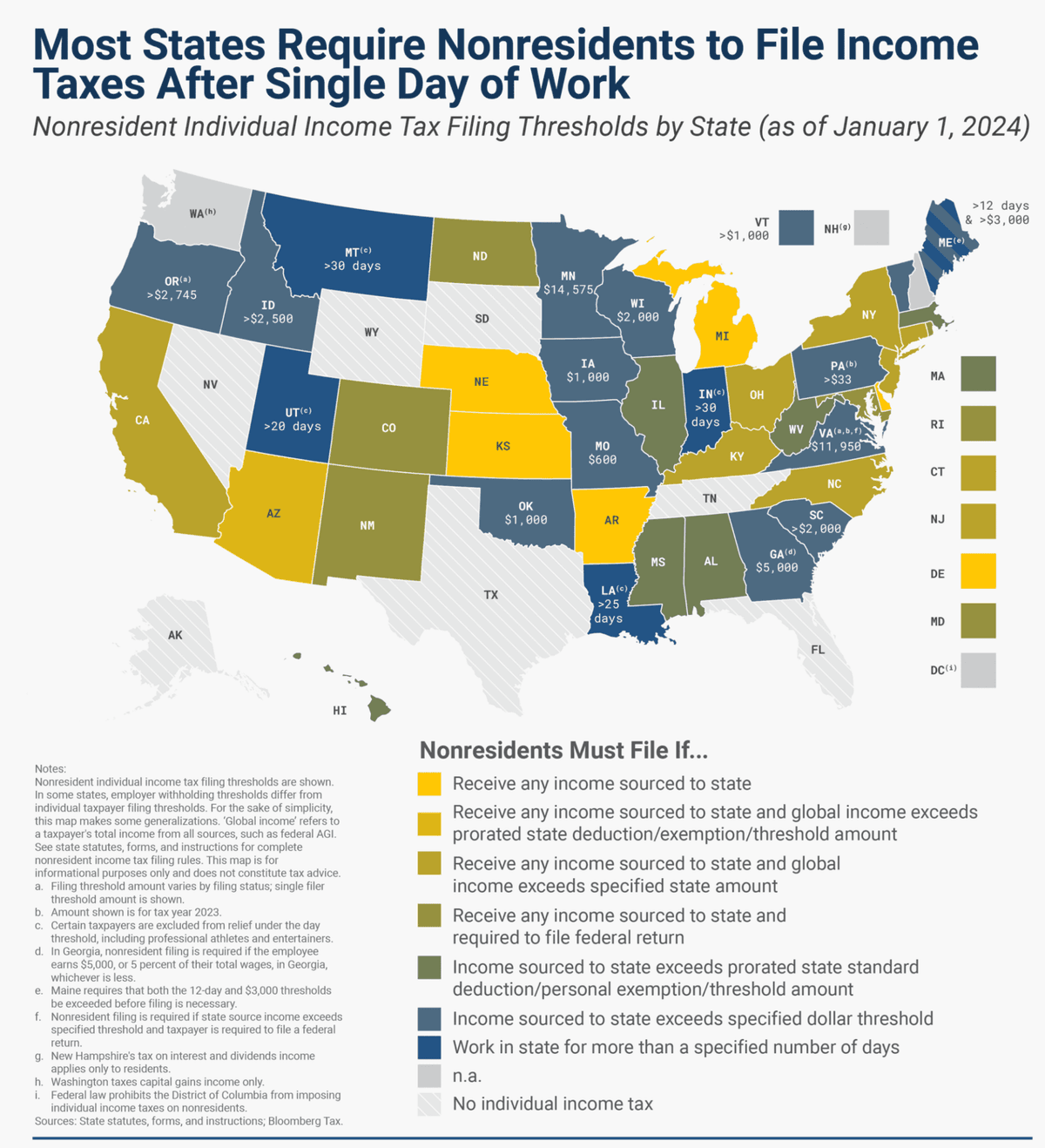
However, Compliance with nonresident filing laws is often low due to a lack of awareness and because employer withholding rules are usually more relaxed than the nonresident filing requirements. However, taxpayers can claim credits for taxes paid to other states against their home state's taxes, which can lessen the impact of short-term travel for work. States with strict nonresident filing rules may cause unexpected tax obligations, while others have easier rules, exempting those who work briefly or earn little income in the state.
In each of the states shown in yellow on the map, nonresidents are likely to incur income tax filing obligations by working just a single day in the state. Meanwhile, the states in blue have thresholds in place that protect nonresidents from having to file if they work only a short amount of time (or earn only a small amount of income) in the state.
|
|
|
Strategies for Paying Taxes in 2024: What to Do If You Can't Pay in Full
Facing a tax bill that you can't pay in full can be stressful, but some strategies can help manage this situation. Filing your tax return on time, even if you cannot pay the full amount owed, can minimize penalties. If you find yourself unable to pay in full, consider setting up a payment plan or exploring an Offer in Compromise with the IRS. These options can provide manageable ways to settle tax debts without adding excessive financial strain.
For more information contact SK Financial CPA Tax Team. It's essential to respond promptly to IRS notices to avoid further complications and to ensure that you're taking advantage of all available resources.
Eligibility for the Credit for Other Dependents
This $500 nonrefundable tax credit is available for taxpayers with dependents who do not qualify for the Child Tax Credit. It applies to a range of dependents, including older children and relatives who depend on you financially. Understanding the eligibility requirements and how to claim this credit can provide additional tax relief to families with diverse dependent care responsibilities.
|
|
|
General Discontent with the U.S. Tax Code
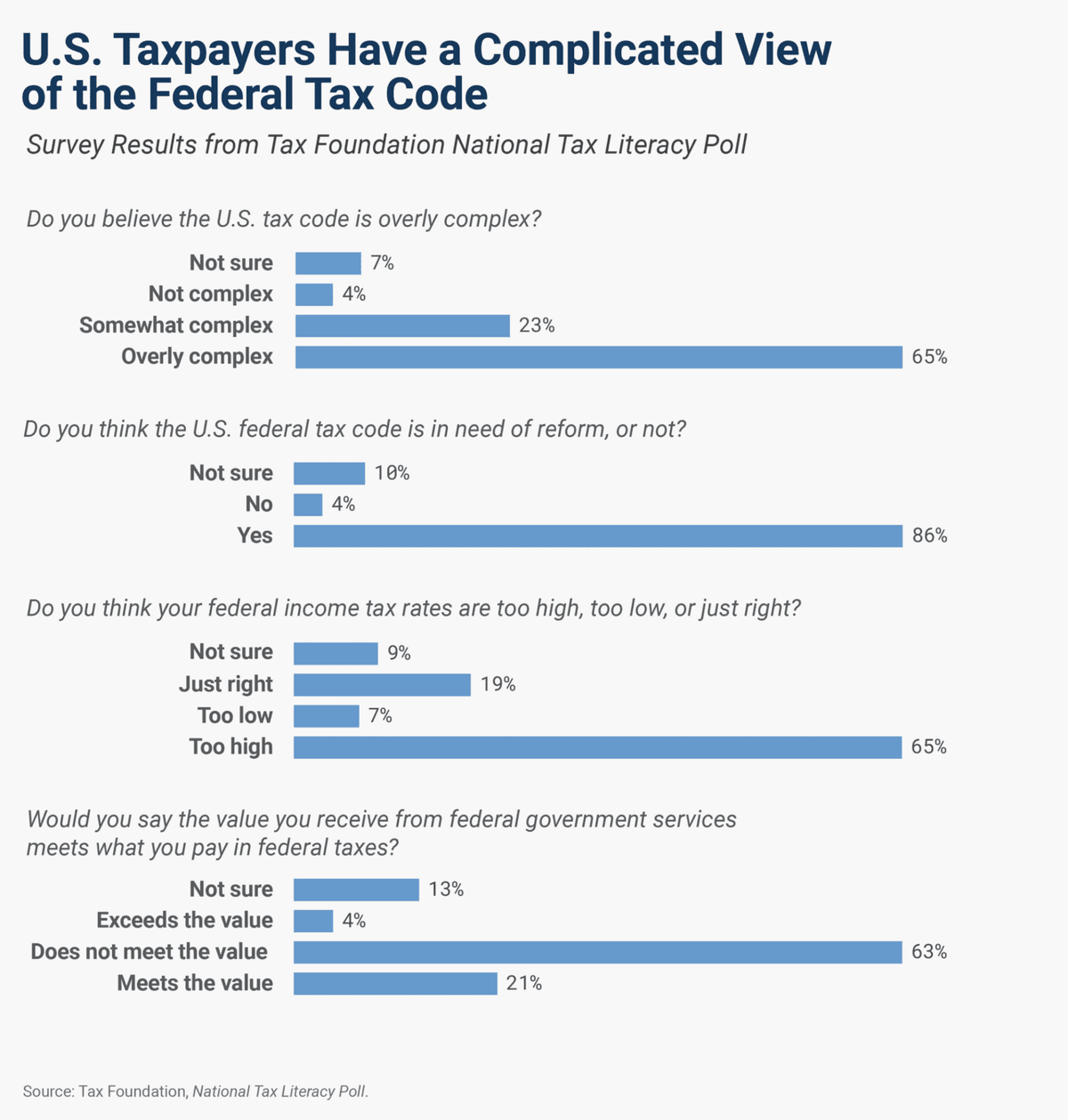
A recent survey revealed widespread dissatisfaction with the U.S. tax code, likely due to confusion and complexity. Approximately two-thirds of respondents consider the tax code both unfair and overly complex, and 86% believe it requires reform. Interestingly, 71% support lowering the top income tax rate, but 54% also think high earners should pay more in taxes, highlighting a nuanced perspective on tax reform.
|
|
|
Tax Literacy Gap Among U.S. Taxpayers
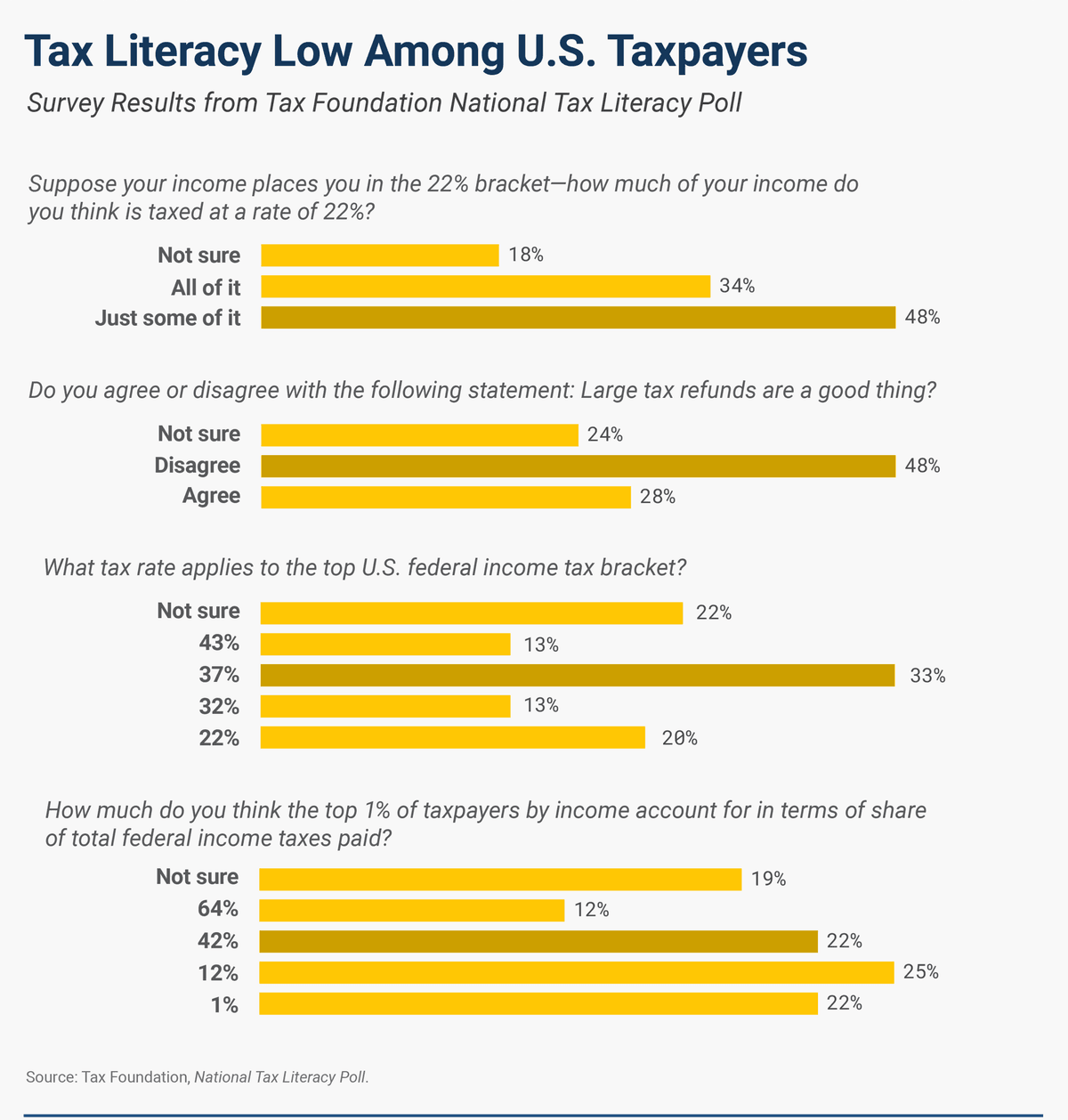
A recent poll revealed that more than 61% of U.S. taxpayers don't understand basic income tax concepts. This lack of tax literacy could affect financial decisions and hinder informed tax policy discussions.
|
|
Featured Service: Due Diligence
At SK Financial, our CPA Due Diligence services provide a comprehensive analysis of financial records and business operations, ensuring informed decision-making for acquisitions, mergers, and partnerships. Our meticulous approach helps clients identify risks and opportunities, enabling them to proceed with confidence. Trust us to be your partner in navigating the complexities of financial transactions.
|
|
Our team at SK Financial CPA is dedicated to assisting with your tax planning and strategy as we navigate these changes and proposals. We encourage you to schedule a consultation to discuss how these developments might impact your personal and business finances.
For further information or to arrange a meeting, please contact us at your earliest convenience.
|
|
|
|
|