|
Dear Client,
Welcome to the latest edition of our newsletter, where we provide essential updates on the current economic landscape and tax changes for 2024. This edition covers key insights on corporate earnings, federal budget adjustments, interest rate projections, and the real estate market. Additionally, we delve into crucial tax considerations, including relief for disaster victims, the impact of gross receipts taxes, and essential tips for new entrepreneurs. Stay informed with our expert analysis to navigate these evolving economic conditions successfully.
|
|
|
Corporate Earnings Outlook
The first quarter of the year saw a significant decline in corporate earnings for large firms, with an average drop of 6%. Despite this downturn, there is a prevailing sense of optimism among market analysts and corporate executives. Projections for the remainder of the year are more positive, with anticipated growth rates of 10% in the second quarter, 7% in the third quarter, and 3% in the fourth quarter. These forecasts are bolstered by expectations of increased consumer spending, stabilization in supply chains, and strategic cost management efforts by businesses. As companies navigate through these economic fluctuations, their performance in the upcoming quarters will be closely monitored for signs of sustained recovery and growth.
Federal Budget and Debt Insights
This fiscal year, the federal budget deficit is expected to shrink by $500 billion, a reduction attributed to higher revenues from increased employment and stock market gains. These factors have strengthened the government's revenue base, allowing for a reprieve in deficit growth. However, this trend is projected to reverse, with the deficit expected to rise again. Contributing to the fiscal outlook is the Biden administration's FY2025 student loan forgiveness plan, which, while poised to boost consumer spending and potentially increase GDP by 0.1% to 0.5% over 2024-2025, comes with a substantial cost estimated between $250 billion and $750 billion. The plan faces legal challenges, but if implemented, it could have a significant impact on both the economy and federal budget dynamics.
Interest Rate Outlook
Federal Reserve Chair Jerome Powell has indicated that interest rate cuts are not imminent, emphasizing a cautious approach to monetary policy. While there is speculation about a potential rate cut on July 31, this is contingent on a significant drop in inflation over the next few months. Long-term projections suggest that the best chance for a rate cut may come in November, post-election. However, if inflation remains persistent, there is a possibility that interest rates may not decrease this year. This cautious stance reflects the Fed's commitment to controlling inflation while balancing the needs for economic growth and stability.
|
|
|
|
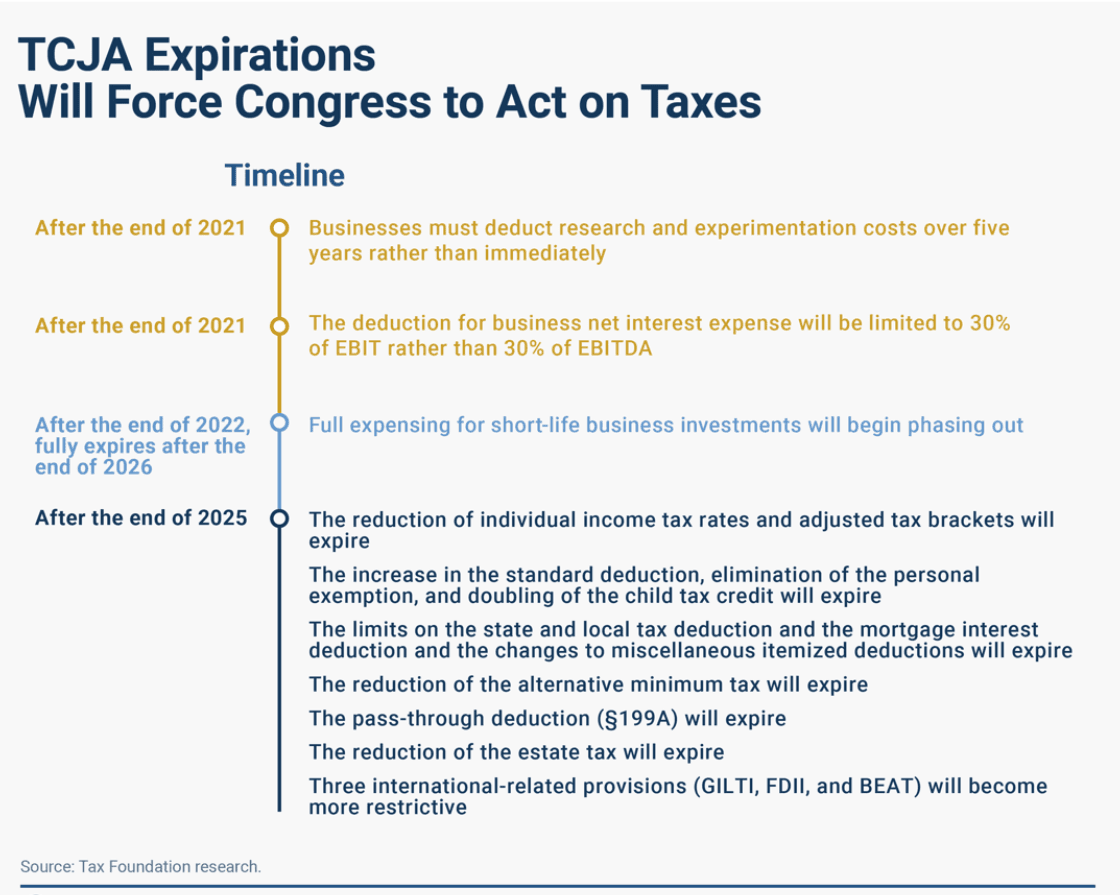
Lawmakers Will Have to Reform the Tax Code in 2025
|
|
|
Key Economic Indicators
The economic landscape is characterized by a mix of steady growth and emerging challenges.
- GDP growth is expected to remain consistent at 2.5% in 2024, mirroring the rate of 2023, but is projected to slow to 1.9% in 2025.
- Unemployment is anticipated to rise slightly to 4.0% by the end of the year, up from the current rate of 3.8%.
- Meanwhile, core inflation, which excludes volatile food and energy prices, is forecast to decrease by the end of 2024, down from 3.8%.
- These indicators highlight the ongoing efforts to balance economic growth of 3.6% with inflation control amidst a backdrop of evolving economic conditions.
Real Estate and Mortgage Rates
Mortgage rates have reached their highest levels since November 2023, with the 30-year fixed-rate mortgage averaging 7.17%. This increase has significantly impacted mortgage payments, making home ownership less affordable for many potential buyers. Rates are expected to remain above 7% through at least the third quarter and potentially into 2025,depending on Federal Reserve actions. The rise in mortgage rates is coupled with ongoing increases in home prices, driven by limited housing inventory and high demand. Listed homes are selling quickly, and any future dip in interest rates could further boost home-buying activity and increase housing inventories.
|
|
|
Federal Tax Relief for Ohio Disaster Victims
Ohio residents and businesses affected by tornadoes starting March 14 have been granted tax relief, with extended deadlines to file federal tax returns and make payments until September 3. This relief applies to FEMA-designated areas and aims to alleviate the financial burden on those impacted by the disaster. The IRS provides updates on affected localities and more information on the Tax Relief in Disaster Situations page. This measure underscores the government's commitment to supporting communities in times of crisis.
|
|
|
|
Impact of Gross Receipts Taxes on Businesses
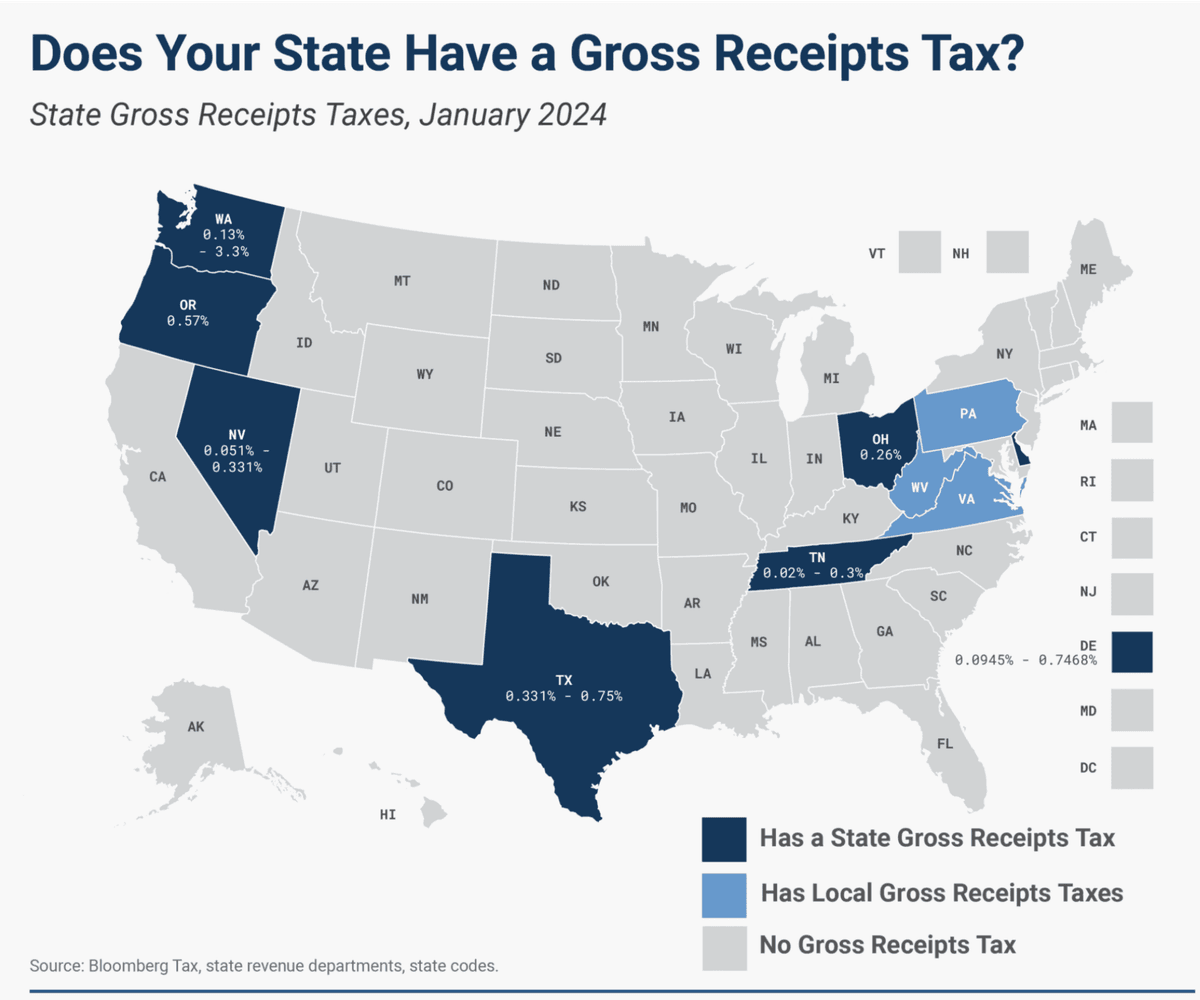
This month’s tax map examines the gross receipts tax (GRT), a corporate tax alternative used by seven states and some municipalities. GRTs tax a company’s total sales before deducting costs, leading to tax pyramiding and higher costs throughout production. Although historically common, GRTs are criticized today for distorting business investment incentives and being particularly burdensome for firms with narrow profit margins. Recognizing these issues, several states have recently repealed their GRTs.
|
|
|
Home Sale Tax Considerations
Homeowners planning to sell their properties should be aware of important tax considerations. If you've owned and lived in your primary home for at least two out of the five years before the sale date, up to $250,000 of the gain ($500,000 for joint filers) is tax-free. To calculate the gain or loss from a home sale, start with the selling price, subtract selling expenses, and the adjusted tax basis of the home. The tax basis includes the purchase price and certain settlement fees, with adjustments for additions and improvements that increase the home's value. Regular repairs and maintenance do not increase the base. Keeping detailed records of all major home improvements is crucial for accurately determining the tax basis and potential capital gains.
|
|
|
Essential Tips for New Entrepreneurs
Starting a new business is an exciting venture, but it comes with important tax obligations. Here
are some essential tips for new business owners:
Choose the right business structure: Your business's structure impacts your tax obligations. Understand the differences between sole proprietorships, partnerships, corporations, S corporations, and LLCs for effective tax planning.
Determine Your Tax Year: Decide whether your business will operate on a calendar or fiscal year, as this affects
your tax reporting and filing deadlines.
Obtain an Employer Identification Number (EIN): It is essential for identifying your business, even without employees. Keep your business information updated with the IRS.
Ensure compliance with employment Laws: If you have employees, comply with employment eligibility verification (Form I-9) and withholding allowances (Form W-4).
Pay Your Business Taxes: Understand which taxes your business must pay, including income, self-employment, payroll, and excise taxes. Familiarize yourself with the applicable tax forms and deadlines.
For More Information: If you have any queries or need assistance, reach out to our Incorporation Department at SK Financial CPA. We are here to help you navigate the complexities of starting and running a successful business.
|
|
|
|
IRS Guidance on Receiving Mail
Receiving mail from the IRS can be concerning, but it's important to understand that these communications are intended to address specific issues related to federal tax returns or tax accounts. Here are steps to take if you receive mail from the IRS:
- Read Carefully: Each communication addresses a specific issue and outlines the necessary steps. Prompt action can help minimize additional interest and penalty charges.
- Review Information: Compare any corrections provided in the letter with your original return. Action may be required only if you disagree with the information or if additional information is requested.
- Contact SK Financial CPA: Get in touch with your SK Financial Tax Preparer immediately to handle the matter promptly and accurately. They can assist you in understanding the notice and taking the necessary steps.
- Take Required Action: Follow the notice's instructions, including making a payment if necessary. The IRS may also provide digital copies through the IRS Online Account.
- Reply as instructed: Only reply to the notice if specifically instructed. If you need to call, use the number provided and have your tax return and letter on hand.
- Dispute Notices: Follow the instructions in the notice to dispute any information, including relevant documents, for review. Your SK Financial Tax Preparer can assist you with this process.
- Keep Records: Retain copies of all IRS communications for at least three years from the date you filed your tax return.
- Beware of scams: The IRS will never contact you via social media or text message. Verify any communication claiming to be from the IRS by contacting your SK Financial Tax Preparer.
By reaching out to your SK Financial Tax Preparer, you can ensure that any issues are resolved accurately and efficiently.
|
|
|
Story One: Saving $26,222 in Penalties
A client received a $26,222 penalty from the IRS for late filing their 2022 tax return. They turned to SK Financial CPA for help. Our tax preparers promptly communicated with the IRS, presenting a strong case for the delay. Thanks to our timely intervention and expertise, we successfully negotiated a complete waiver of the penalty, relieving our client of this significant financial burden.
Story Two: Correcting Filing Status and Waiving Penalties
A client received IRS notices for penalties due to late filings for 2021 and 2022. They had incorrectly filed their returns as a single-member LLC instead of an S Corp. Our team at SK Financial CPA amended and corrected their “Personal Returns” for both years, resulting in subsequent refunds. We also correctly filed the S Corporation returns for their company.
For the late filings, we successfully obtained a First Time Abatement (FTA) for the 2021 penalty, as IRS rules allow this once every four years. Additionally, we presented a strong case to the IRS and managed to get the penalty for 2022 waived as well. This comprehensive resolution saved our client from significant penalties and ensured their returns were accurately filed.
Our team is dedicated to delivering effective solutions and ensuring our clients' financial peace of mind.
|
|
|
|
At SK Financial CPA, we are committed to keeping you informed and helping you navigate these economic challenges. Our team of experts is here to provide personalized financial guidance and support tailored to your specific needs. Whether you have questions about tax implications, investment strategies, or business planning, we're here to help. Please don’t hesitate to reach out if you need assistance with your financial planning or have any concerns. Your financial well-being is our top priority, and we're dedicated to helping you achieve your goals.
|
|
|
|
|